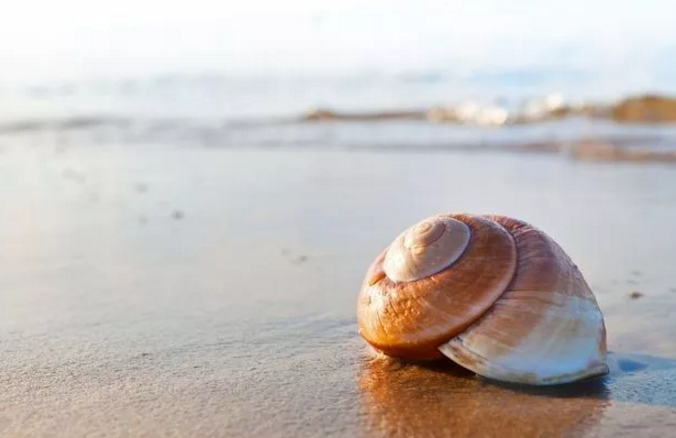
The news of Youth Science Pictorial is called "living fossil" because other species similar to this creature only exist in fossils, and there are no other existing similar species. "Living fossil" creatures have survived major extinction events and retained their original characteristics. The following 15 kinds of animals can all be called "living fossils"!
earth pig
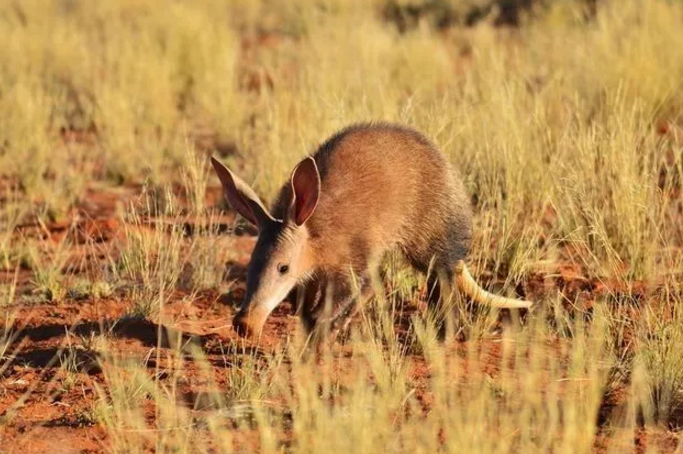
The aardvark, also known as the African anteater, is a burrowing animal that moves at night, and it is also the only animal in the Cladocera. From a genetic point of view, the aardvark can be called a "living fossil" because of its chromosome arrangement. Elephants can be regarded as relatives of aardvark, although the kinship is very far away.
lesser panda
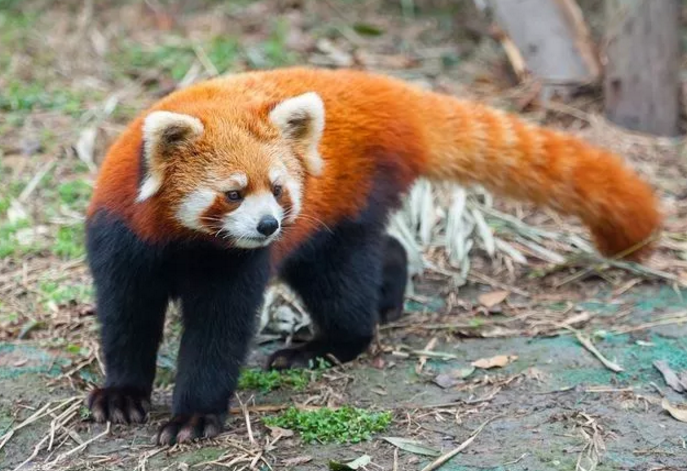
These lovely animals come from the temperate forests of the Himalayas. Although they have "panda" in their names, they have almost nothing to do with giant pandas. Their lineages are more similar to those of bears and skunks, weasels and raccoons, but they do belong to a separate species. If you have to ask what it has to do with giant pandas, it may be that they all like to eat bamboo, but there is no evolutionary relationship.
Beaked-headed lizard
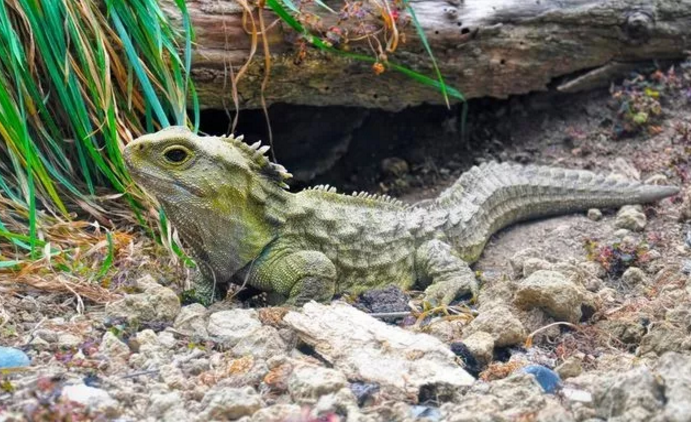
Wedge-toothed lizard, two lizard-like animals, is the only representative of the remains of coracoids that appeared in the early Triassic, and is called "living fossil". It is the only surviving reptile of the beak leader. Only found in some small islands in New Zealand.
nautilus
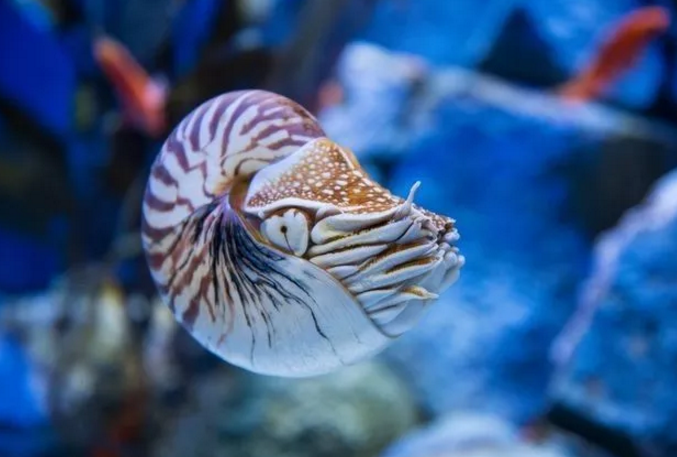
Nautilus is a marine mollusk, which has experienced hundreds of millions of years of evolution on the earth, but its shape and habits have changed little. It is called "living fossil" in the ocean and has high value in studying biological evolution and paleontology.
Purple frog
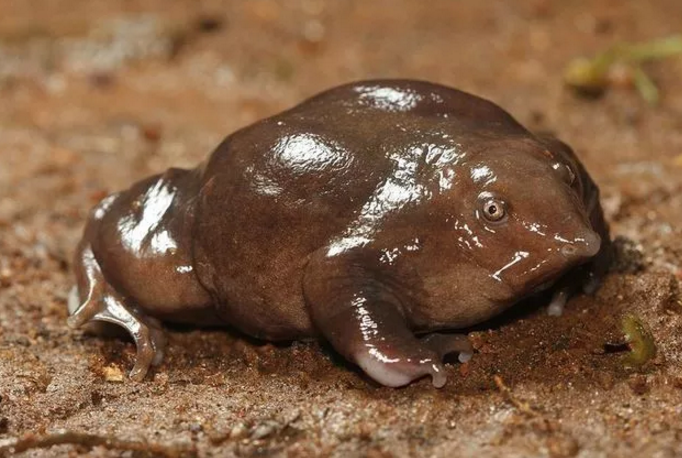
Purple frog is a kind of frog with purple body. It belongs to a frog that only exists in Seychelles. Its mouth is very similar to that of a pig, and it spends most of the year underground at a depth of 4 meters. This frog belongs to a branch of a special frog that lived in the ancient dinosaur period. Purple frogs were only discovered in India in 2003 because they live underground, and they only appear for two weeks in the rainy season, and they have been living invisibly at other times.
platypus
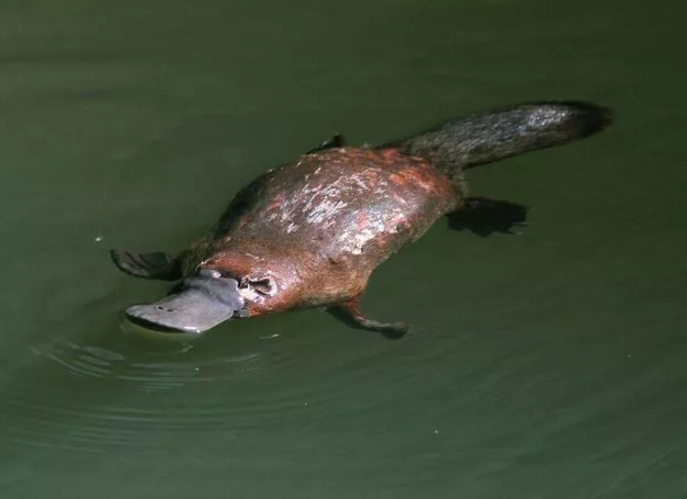
The platypus is one of the most primitive mammals. It is an incompletely evolved mammal with very few species. It is the only animal in the same genus and one of the lowest mammals. The platypus appeared 25 million years ago and still lives in Australia. Due to the small number and distribution of platypus, no subspecies have been found yet.
Mantis shrimp
Mantis shrimp is neither a shrimp nor a mantis, and has not changed in its 400 million years of evolution. They usually appear in all kinds of beautiful colors, and are famous for their powerful pincers. They are competitive in character, so you should not provoke them easily. But they also have a gentle side. Some mantis shrimp will be monogamous and stay with their partners for 20 years. They also have the most advanced eyes in the animal kingdom, which can distinguish 12 colors and various forms of polarized light. In contrast, humans can only distinguish 3 of them.
hagfish
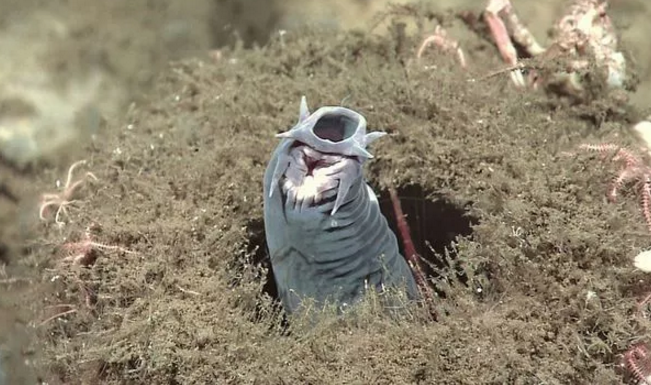
These animals look like sticky eels, but many experts don’t think they are fish. In fact, some taxonomists are hesitating whether they belong to vertebrates. When blind eels are threatened, they will secrete mucus to help them escape the pursuit of natural enemies. From the evolutionary point of view, their appearance can be traced back to 330 million years ago, and they represent an important life connection between vertebrates and invertebrates.
hoatzin
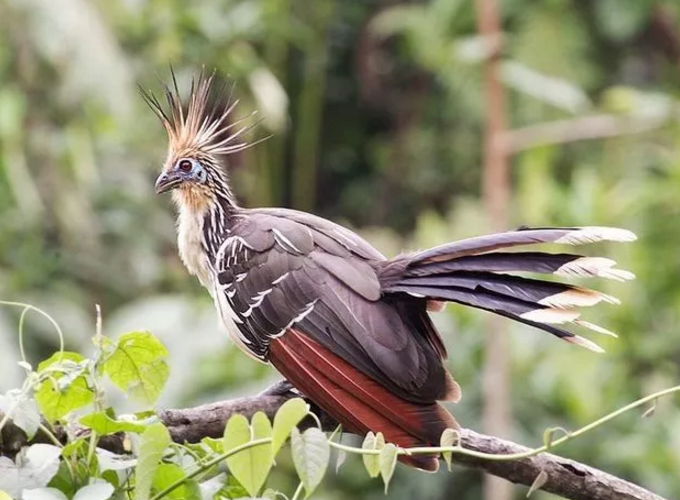
Musk pheasant is called because it has a strong musty smell in its body. The classification of this species is controversial, and it is related to both Cudraformes and Chicagoformes. Very good at climbing, the young bird’s forelimb has two claws, similar to Archaeopteryx and Confucius bird, but it is not the original character, but a special adaptation to climbing life.
koala
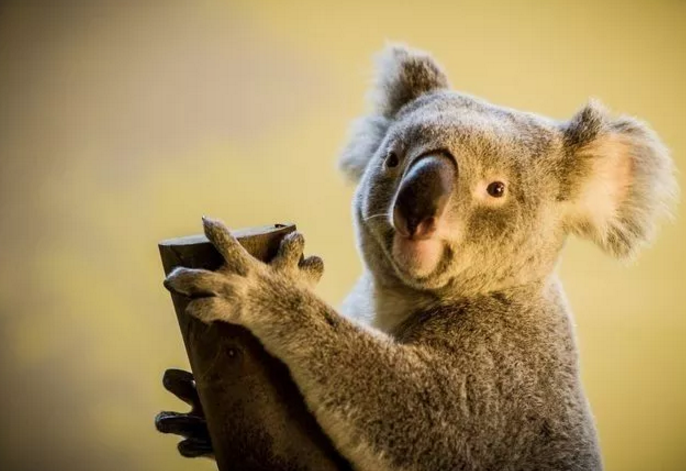
Koalas, also known as koalas, are Australia’s national treasures, as well as Australia’s peculiar and precious primitive arboreal animals. But koalas are not Xiong Ke animals, and they are far apart. Xiong Ke belongs to Carnivora, while koalas belong to Marsupials. They have existed on the earth for at least 20 million years. At that time, they lived in tropical rain forests instead of eucalyptus forests as they do now.
Pignose turtle
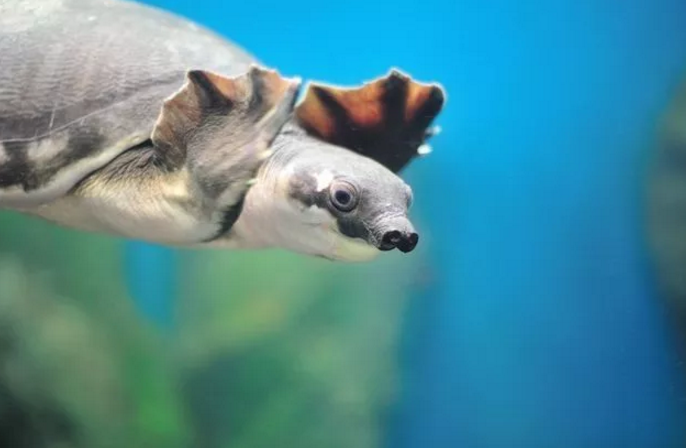
Pig-nosed turtle is the only species of the genus Trionychus belonging to Trionychidae. Pig-nosed turtle is a highly aquatic freshwater turtle, which lives in water all the year round except spawning, so its limbs are specialized into flippers like turtles, which is unique among freshwater turtles.
Limulus amebocyte lysate [hü u]
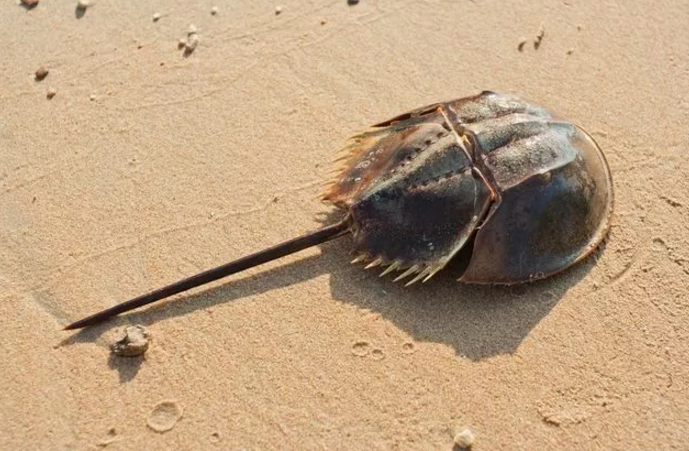
Horseshoe crab is also called horseshoe crab because it looks like both shrimp and crab. Their ancestors first lived in Paleozoic shallow waters. Horseshoe crab has changed little in the past 445 million years, and it is an animal as old as trilobites.
goblin shark
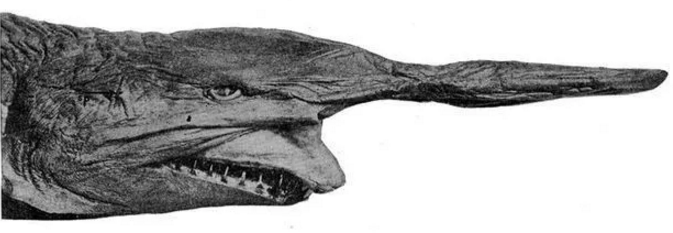
The sword-nosed shark lived in the Cretaceous period. Their appearance is very similar to that of the existing Eupatorium odoratum, so some scholars reclassified Eupatorium odoratum into the genus Eupatorium odoratum. However, most shark experts believe that they are sufficiently different to form another genus. The sword-nosed shark has a long flat kiss, sharp and tapered teeth, which is very suitable for catching fish or tearing open prey.
Elephant shrew
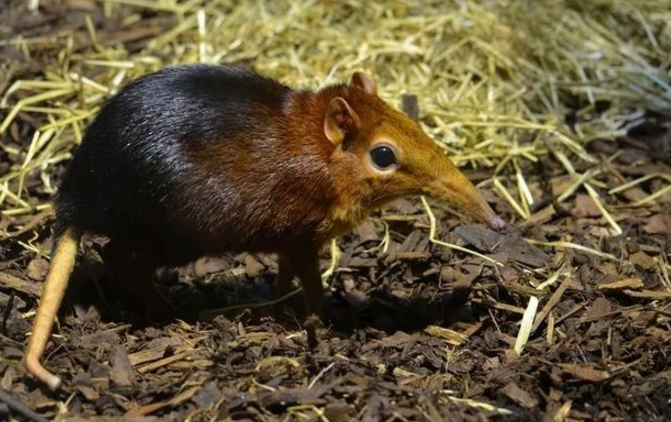
Elephant shrews are named after their long elephant-like noses. They may be related to anteaters, elephants and even manatees, although they are far apart.
crocodile
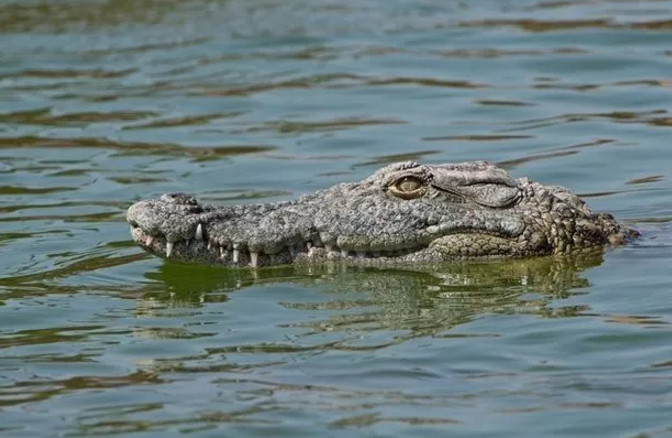
As the most widely distributed living fossil animal, crocodiles have hardly changed in the following 230 million years since dinosaurs ruled the earth.
Original title: These 15 kinds of animals can be called "living fossils" of animals!